

The Art of Inner Stillness/ Finding Peace in a Chaotic World (#354)
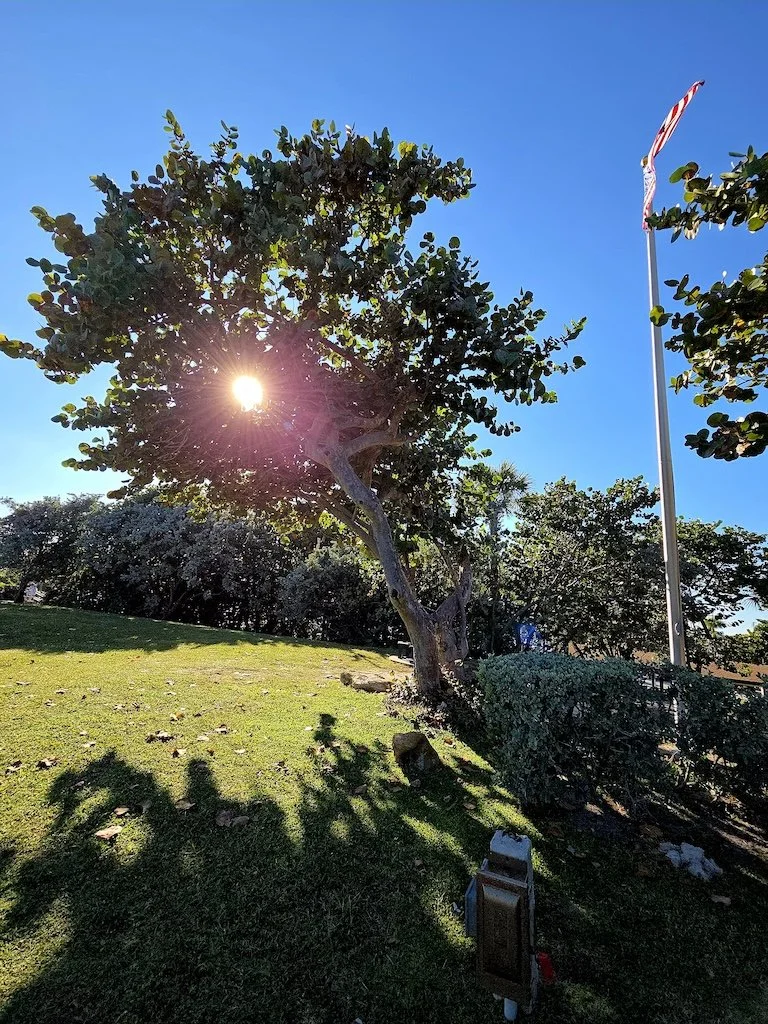
In today’s fast-paced world, peace can feel elusive. At Ridiculously Enjoy Life, we know that cultivating inner stillness isn’t about escaping life—it’s about creating a calm center that allows you to navigate chaos with clarity and resilience. Inner stillness strengthens focus, emotional balance, and mental clarity, giving you the ability to respond thoughtfully rather than react impulsively. By intentionally practicing techniques like meditation, mindfulness, and grounding exercises, you can develop a stable, peaceful core that supports personal growth and well-being.
Understanding Inner Stillness
Inner stillness is the ability to maintain calm awareness amidst life’s noise and distractions:
It is not about eliminating thoughts or feelings, but observing them without judgment
It provides clarity to distinguish between what matters and what does not
It enhances emotional regulation, helping you respond rather than react
Developing inner stillness creates a foundation for mental clarity, focus, and resilience in everyday life.
Meditation for Calm and Clarity
Meditation is a cornerstone practice for cultivating stillness:
Start small: Even five minutes of daily meditation can reduce stress and improve focus
Breath-focused meditation: Concentrate on your breathing to anchor yourself in the present moment
Guided meditation: Use apps or recordings to help maintain attention and build consistency
Regular meditation strengthens the mind’s ability to remain centered, improves attention, and enhances emotional stability, making challenges easier to manage. I do something different than most, my meditation is when I do walks. My walks are about 40 minutes and in that time I do my very best to be in the present moment.
Mindfulness in Daily Life
Mindfulness extends inner stillness beyond formal meditation:
Observe without judgment: Notice thoughts, emotions, and sensations without labeling them “good” or “bad”
Single-task focus: Engage fully in one activity at a time, whether it’s eating, walking, or working
Check-ins: Pause periodically to notice your mental and emotional state
Practicing mindfulness creates continuous opportunities to return to the present moment, enhancing awareness and reducing stress.
Grounding Exercises for Stability
Grounding exercises connect you to the present and your body:
5-4-3-2-1 technique: Identify five things you see, four you feel, three you hear, two you smell, and one you taste
Body scan: Mentally scan your body from head to toe, noticing tension and releasing it intentionally
Physical connection: Press your feet into the floor, feel your posture, or stretch to reconnect with your body
Grounding strengthens your sense of presence, helping you feel centered and secure even during external chaos.
Combine Techniques for Maximum Effect
Inner stillness grows stronger when practices are integrated:
Begin the day with meditation to center your mind
Use mindfulness during work, meals, or conversation to remain engaged
Incorporate grounding exercises when stress or overwhelm arises
Consistency, rather than duration, matters most. Even brief, regular practices compound into lasting calm and clarity. It is important to focus on yourself to be still.
Benefits of Inner Stillness
Cultivating stillness has measurable effects on mental and emotional well-being:
Mental clarity: Reduced mental clutter allows better decision-making and problem-solving
Emotional resilience: Calm awareness makes it easier to navigate stress, conflict, and uncertainty
Improved focus: Being present enhances productivity and attention to detail
Enhanced self-awareness: Regular reflection on thoughts and feelings fosters personal growth
Inner stillness is both a tool and a practice, supporting mental, emotional, and personal development simultaneously.
Create a Personalized Stillness Routine
To embed inner stillness into daily life:
Set aside specific times for meditation or reflection, even five minutes a day
Use mindfulness cues—like meals, walking, or morning coffee/water/tea—as reminders to pause and breathe
Keep grounding exercises accessible for stressful or chaotic moments
Personalized routines ensure your practice is sustainable and naturally integrated into your lifestyle.
Reflection Question
What is one moment in your day when you can intentionally pause, ground yourself, and cultivate inner stillness, and how might it change your response to challenges or stress?
Inner stillness is an art that allows you to navigate life with calm, clarity, and resilience. Through meditation, mindfulness, and grounding exercises, you create a mental and emotional space to respond thoughtfully, reduce stress, and cultivate personal growth. By committing to daily practices and integrating them into your routines, you can develop a lasting inner calm that supports a balanced, fulfilling life—even in the midst of chaos.